International Program


Electrical
Engineering

International Program

Electrical Engineering

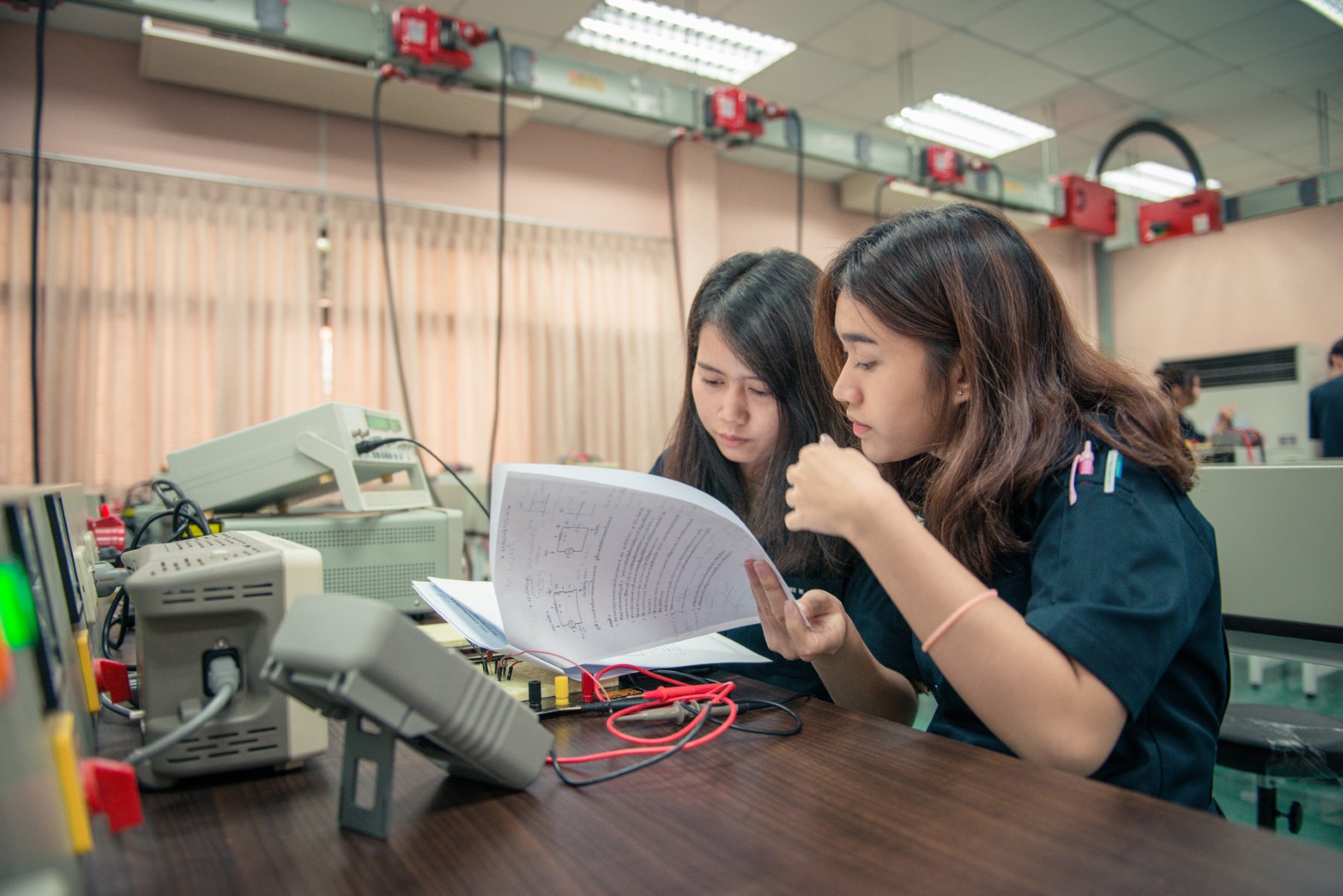
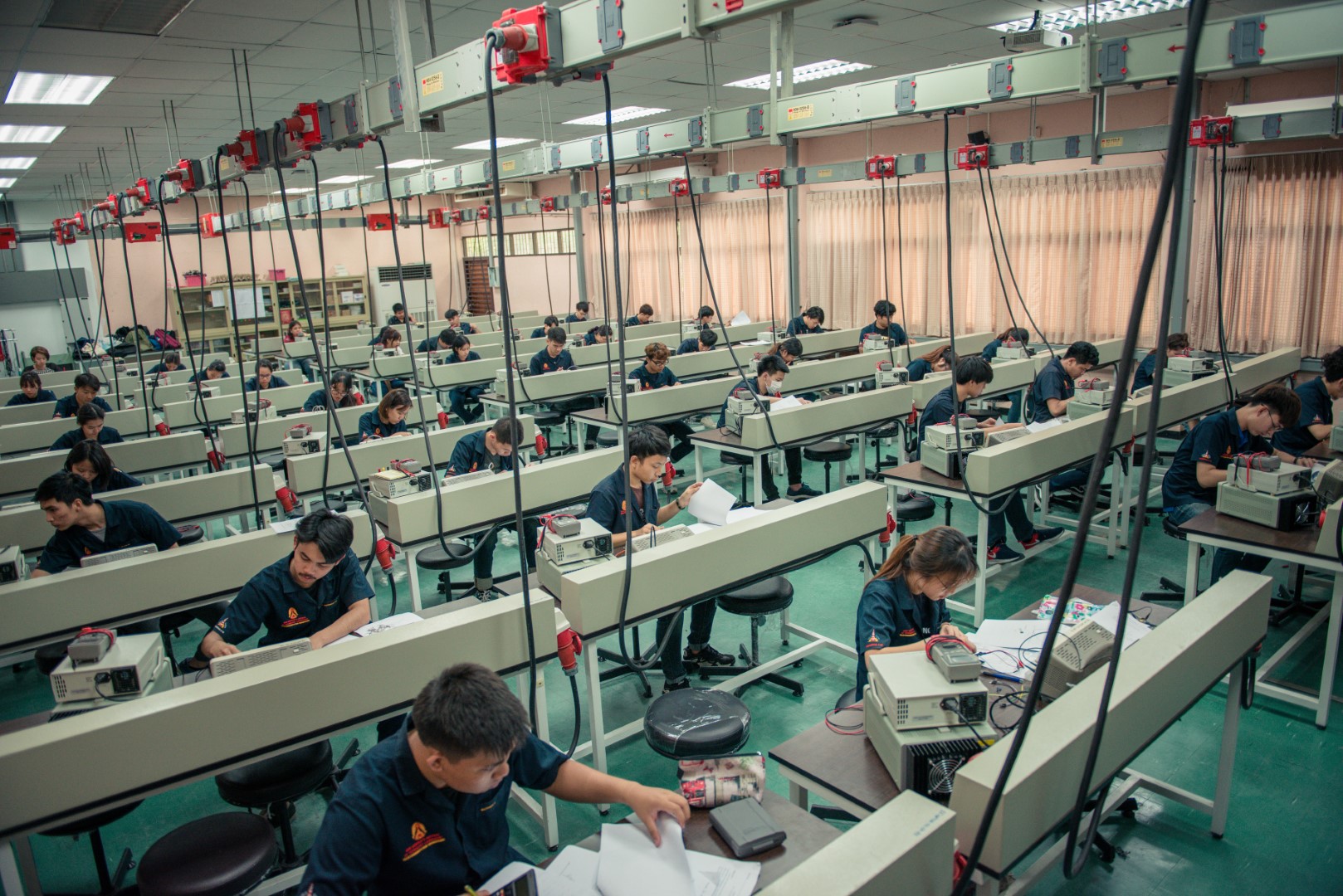
Electrical engineering involves the generation, storage, and use of electricity, as well as the transmission, distribution, and transformation of electrical energy. This program also provides trends in emerging technologies such as electric vehicles, railway electrification systems, renewable energy, and smart grids.

The commitment

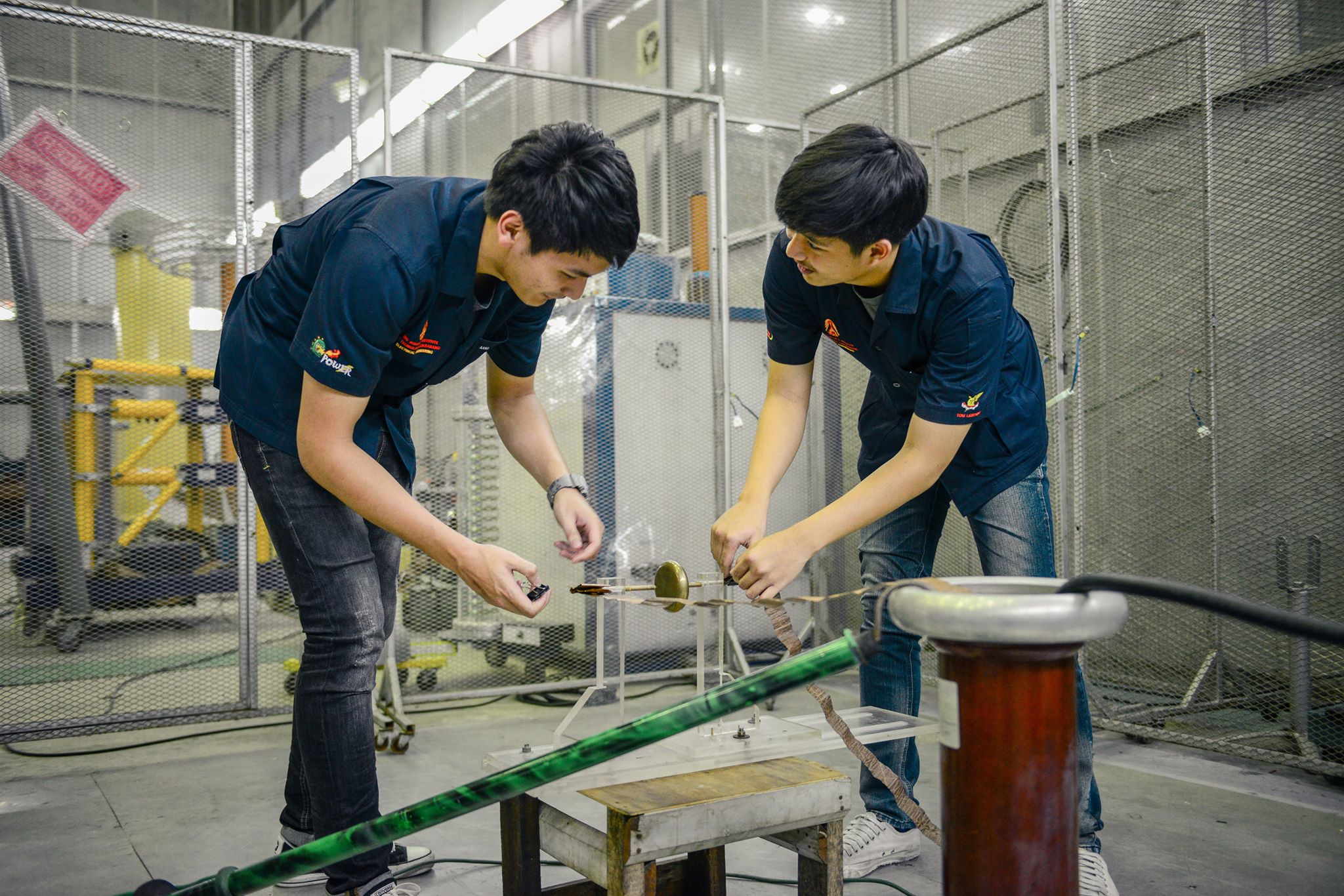
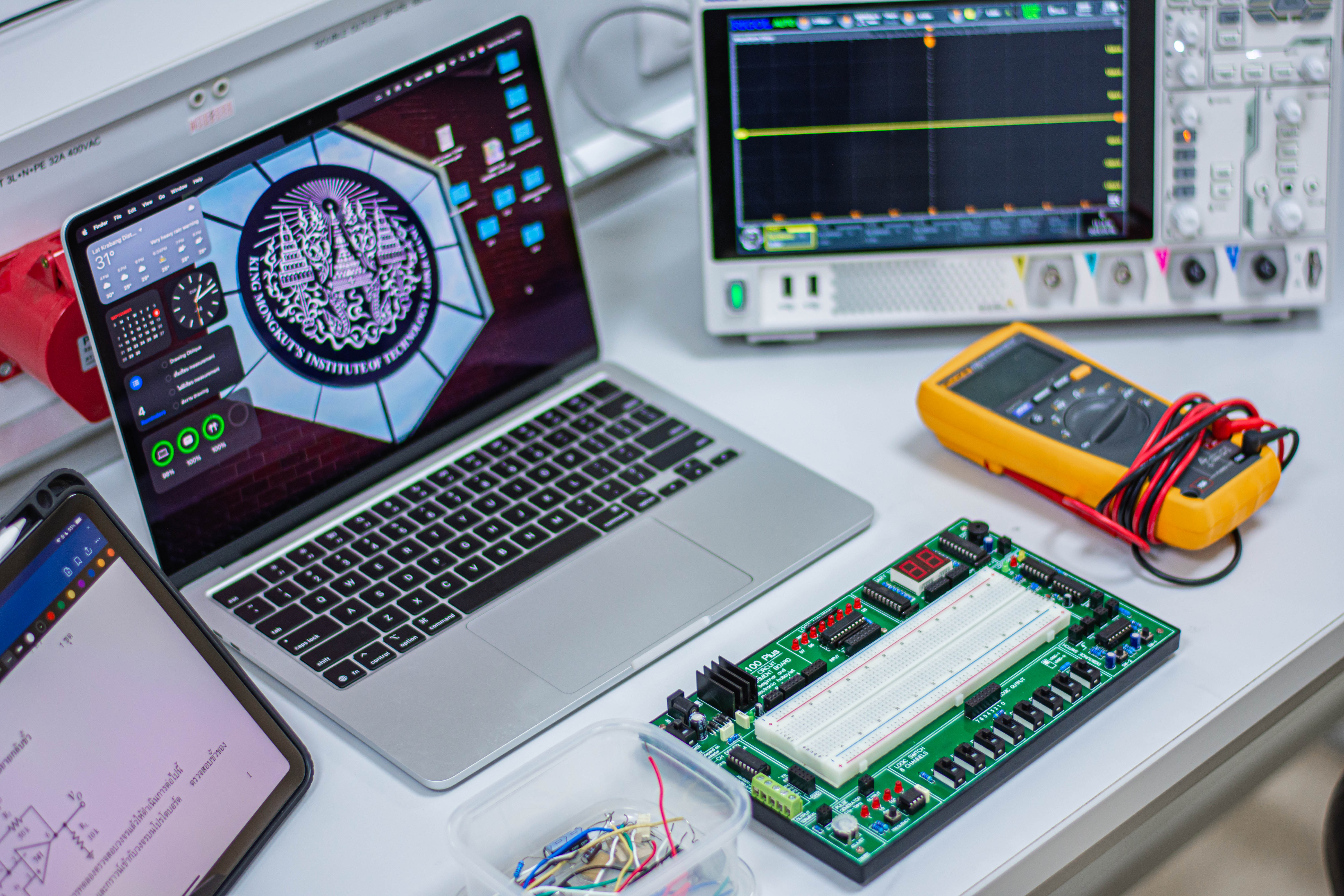
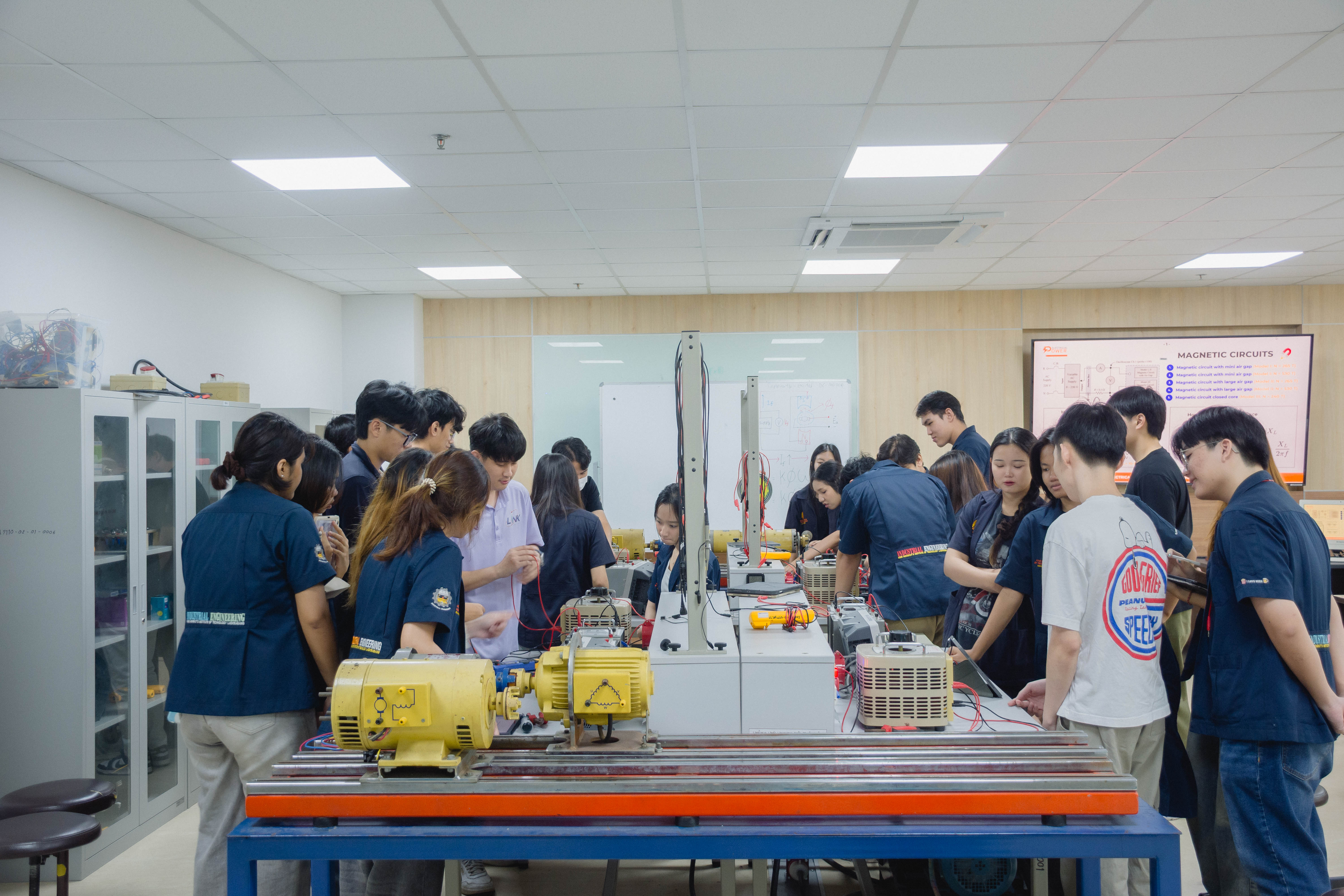
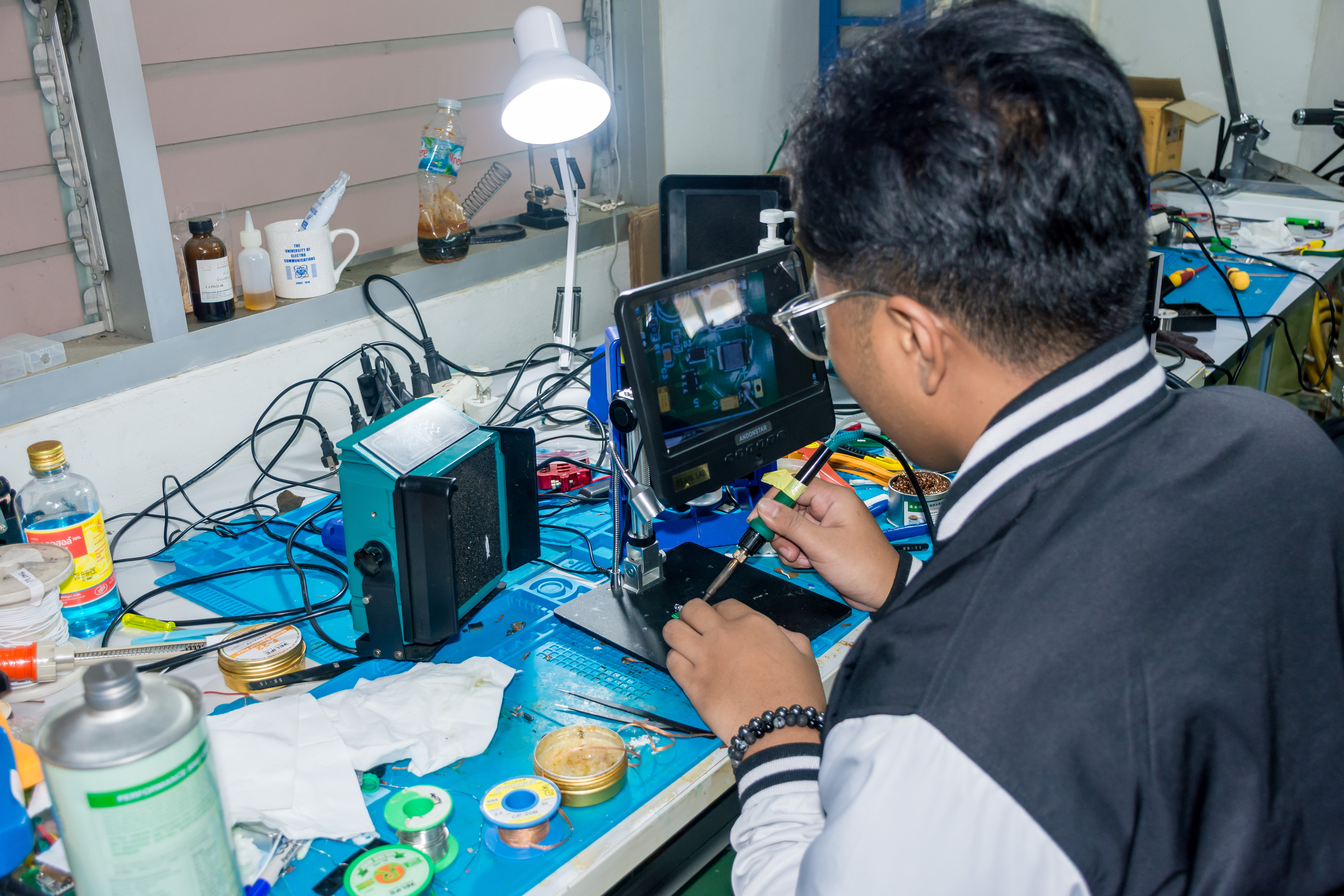
Through hands-on practice and guidance, students will learn a great deal about being a handy electrical power engineer. Apart from technical knowledge, soft skills required to be an outstanding engineer, such as creativity, communication, and collaboration in problem-based learning, are also provided.

Courses Example

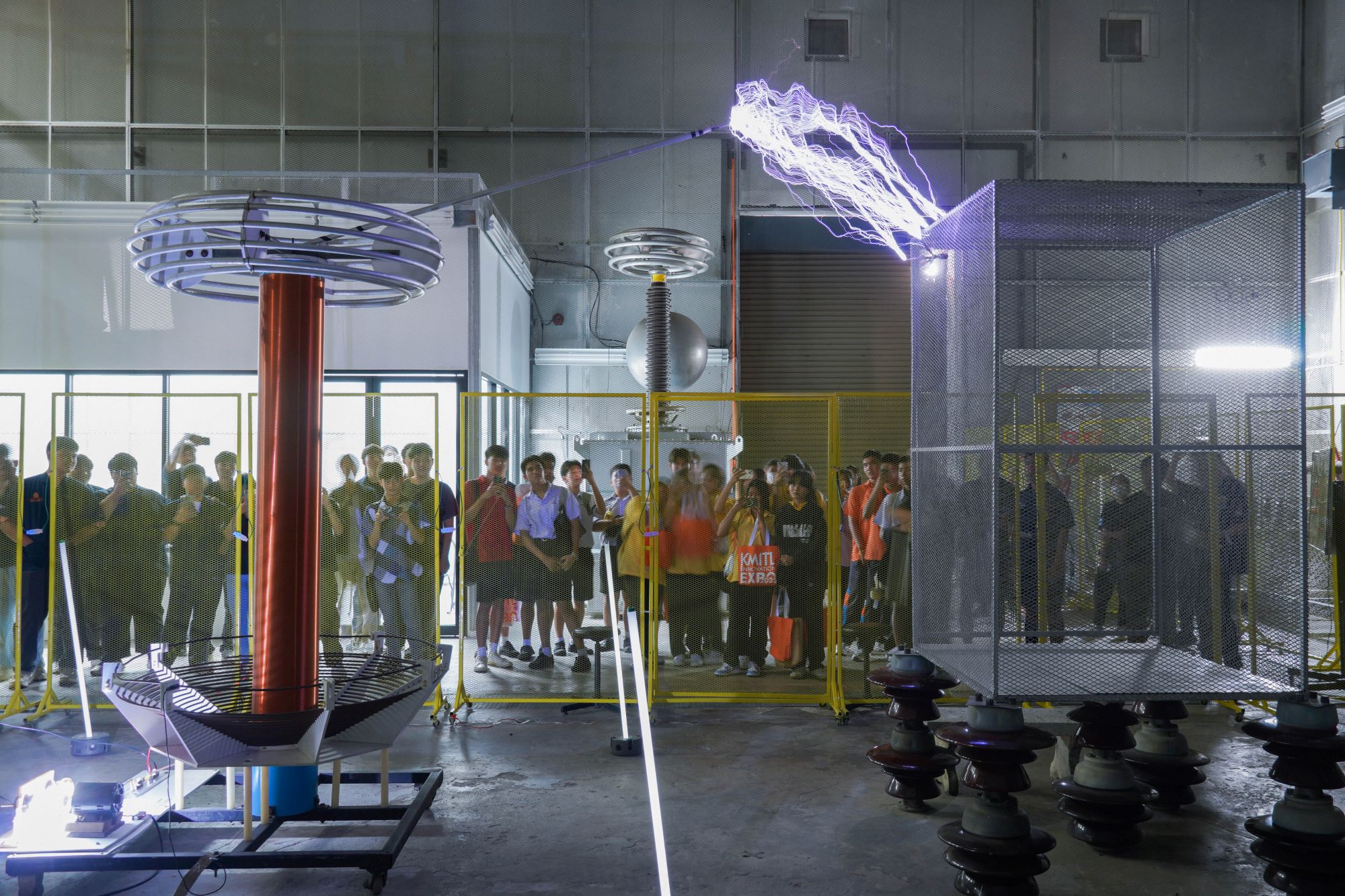
High Voltage Engineering
Electrical Machines and Drives
Renewable & Energy Management
computer programming
Power Electronics
Power System Analysis
Curriculum Overview

The program aims to offer all our students a broad and balanced curriculum that provides rewarding and stimulating activities to prepare them for working internationally and professionally.

The program is accredited by the Council of Engineers, Thailand (COE). Graduated students are eligible to take the exam and get a professional license in electrical engineering from COE.

General education ( 30 Credits )

Innovative Communication Design, Methods for Innovations, Innovation Management, Lean Startup and Agile Business, Emerging Trends in Engineering, Introduction to Environmental Principles, Leadership and Personal Development.

Electrical engineer ( 109 Credits )

Mathematics, Basic sciences, Electrical engineer foundation, Compulsory in Electrical power engineering, Elective courses.

Free elective ( 6 Credits )

Free elective courses allow students to select from other programs to earn more experience and knowledge in their areas of interest.

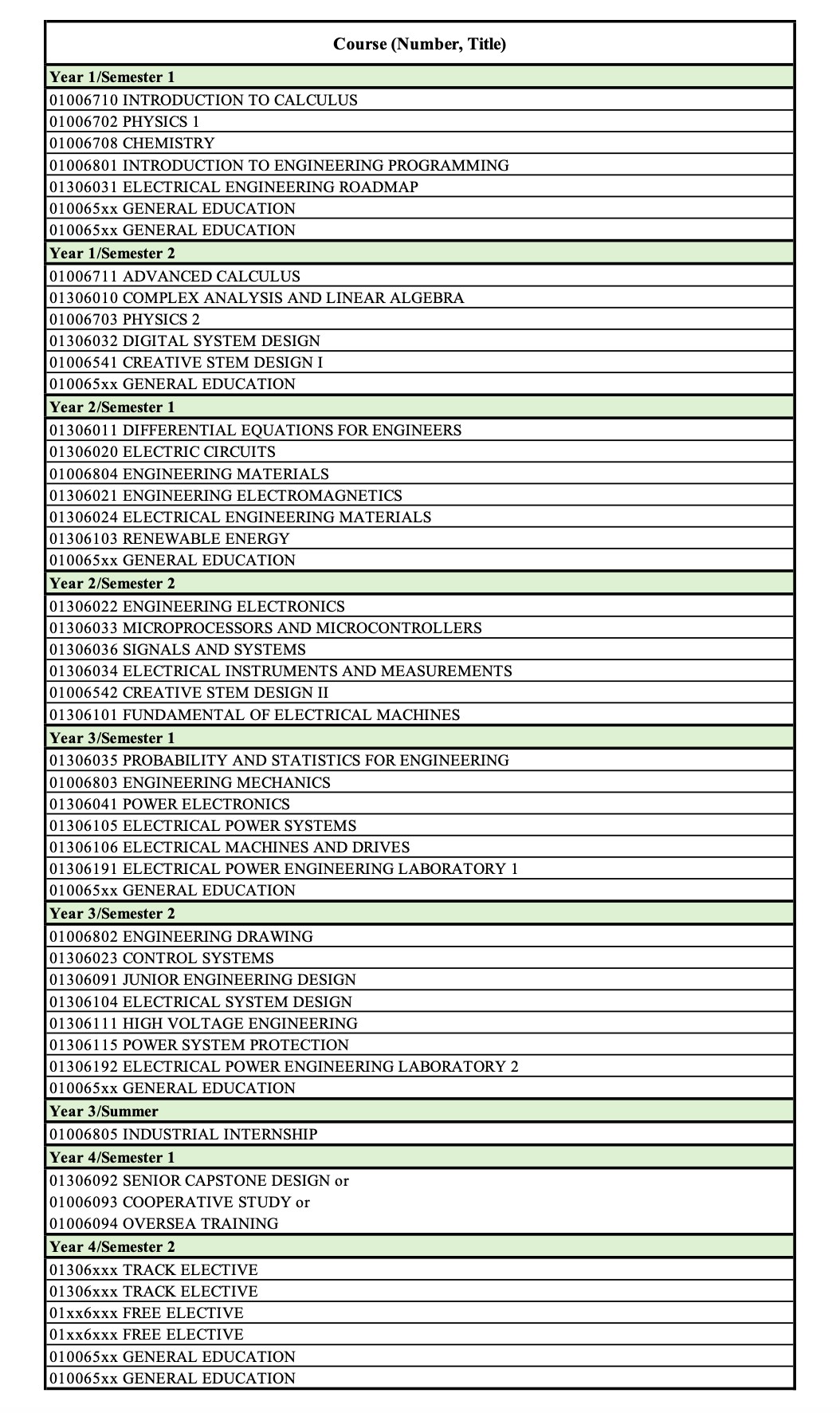
Year 1

Students will study in engineering mathematics, natural science, and engineering fundamentals. Subjects include Engineering Mathematics I/II, Physics & Lab I/II, Chemistry & Lab I/II, Engineering Drawing, Computer Programming, Electric Circuits, Language I/II, etc.

Study planSemester 1,   Semester 2 

Year  2

Students will study a broad range of engineering topics, with a focus on electrical and power engineering. The curriculum is supported by laboratory work and mini-projects that reinforce theoretical knowledge. Key subjects include Engineering Materials, Engineering Mechanics, Digital Devices, Circuits and Systems, Engineering Electromagnetics, Engineering Electronics, Fundamentals of Electrical Machines, Electrical Engineering Materials, Renewable Energy, Microprocessors and Microcontrollers, Fundamentals of Electrical Power Engineering, and Electrical Instruments and Measurements, as well as Language III/IV courses.

Study planSemester 1,   Semester 2 

Year  3

Students will specialize in electrical and power engineering, developing the ability to analyze and evaluate complex engineering problems. Key subjects include Probability and Statistics for Engineering, Signals and Systems, Power Electronics, Electrical Power Systems, Electrical Machines and Drives, Control Systems, Power System Analysis, High Voltage Engineering, Power System Protection, and Electrical Engineering Laboratory I/II.

Study planSemester 1,   Semester 2 

Industrial Internship

Before entering the fourth year, students undertake a three-month internship with national or international companies in related industries, gaining practical experience from a range of available placements.

Year 4

Students may choose to work in groups on a year-long project, pursue an individual industry project through a cooperative education program, or undertake overseas training at a partner university or company. Most coursework during this stage consists of elective and general education subjects.

The B.Eng. in Electrical Engineering (International Program) emphasizes the production of graduates with the following Program Educational Objectives (PEOs):

PEO 1:  Our graduates practice Electrical Engineering profession with confidence, by providing solutions for issues in electrical systems and related technologies creatively and optimally.

PEO 2:  Our graduates expertly develop ideas and transform them into innovative products, processes, and services essential for current market demands.

PEO 3:  Our graduates convey information, lead and work in teams productively with various groups of people.

PEO 4:  Our graduates conduct their profession and make informed decisions ethically and professionally with consideration of the relevant impacts on the economy, environment, and society.

PEO 5:  Our graduates apply new methods and technologies to rapidly evolving regional and global challenges.

Student outcomes are the skill set our graduates acquired from the EE (International Program) at their graduation time. The program has the following Student Outcomes (SOs) which adhere to ABET student outcomes for any engineering program.

SO 1:   An ability to identify, formulate, and solve complex engineering problems by applying principles of engineering, science, and mathematics.

SO 2:   An ability to apply engineering design to produce solutions that meet specified needs with consideration of public health, safety, and welfare, as well as global, cultural, social, environmental, and economic factors.

SO 3:   An ability to communicate effectively with a range of audiences.

SO 4:   An ability to recognize ethical and professional responsibilities in engineering situations and make informed judgements, which must consider the impact of engineering solutions in global, economic, environmental, societal contexts.

SO 5:   An ability to function effectively on a team whose members together provide leadership, create a collaborative and inclusive environment, establish goals, plan tasks, and meet objectives.

SO 6:   An ability to develop and conduct appropriate experimentation, analyze and interpret data, and use engineering judgement to draw conclusions.

SO 7:   An ability to acquire and apply new knowledge as needed, using appropriate learning strategies. 
On campus activities

The campus provides a wide range of shared facilities designed to enhance student life and well-being. These include modern sports and recreational facilities that encourage physical activity and relaxation, as well as comfortable student dormitories that support a convenient and engaging residential experience. A well-equipped health center is also available to ensure students have access to basic medical care and support throughout their studies.

In addition, students benefit from essential academic and daily-life services such as cafeterias offering diverse food options, libraries with extensive learning resources, and reliable computer and internet services that support both study and research. The campus environment is further enhanced by comprehensive CCTV security systems, ensuring safety and peace of mind for all students.

Webinar with Strathclyde UK

The Department of Electronic and Electrical Engineering at the University of Strathclyde in Scotland, UK, is providing a live webinar to give you an overview of the study options available through the partnership between EE (int. program), KMITL, and Strathclyde.

The session will be presented by Dr. Martin Given from the Department of EEE and Mr. Robert Graham from the Faculty of Engineering.  Dr. Given has a wealth of experience, particularly in the properties of insulation systems, including the design of switching systems for the Pulse Power applications.  In addition to research, Dr. Given has taken an active role in teaching for the Department both at home and overseas.

This event will allow you to hear about what you will study in years 3 and 4 at Strathclyde, and the admissions process and scholarships will also be covered.


Field Trip 2025 at Bangkok Cable

On 4 November 2025, an exclusive field trip to Bangkok Cable in Chachoengsao was organized for electrical engineering students. The visit provided valuable exposure to real-world cable manufacturing processes, including conductor production, insulation techniques, and quality control systems.

Students also observed the industrial working environment, safety standards, and modern machinery used in power cable production. This experience enhanced their understanding of practical applications in the electrical industry and served as an important foundation for their future studies and professional careers.

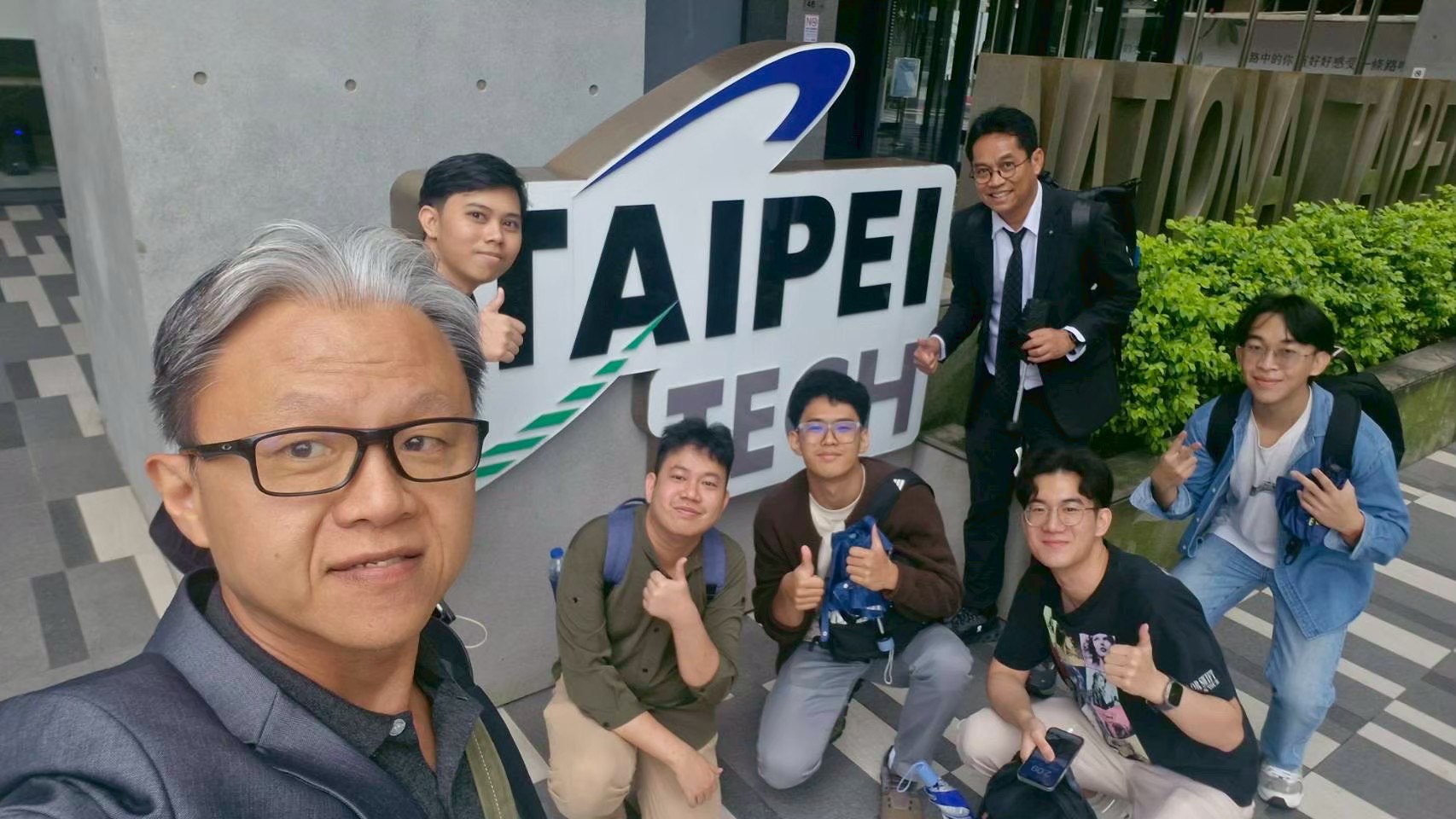
Study Trip 2025 in Taipei

The international study trip to Taiwan provided students with valuable academic, industrial, and cultural experiences related to engineering, technology, and innovation. During the trip, students visited Chang Gung University and Ming Chi University of Technology to explore advanced laboratory facilities, research environments, and educational systems in the fields of engineering and technology.

The participants also had the opportunity to visit Delta Electronics Industries – Taoyuan R&D Center and the Electric Motor Technology Research Center, where they learned about industrial innovation, smart manufacturing systems, electric motor technologies, and sustainable energy applications. In addition, the visit to National Taipei University of Technology allowed students to exchange academic ideas and gain insight into international research collaboration and engineering education.

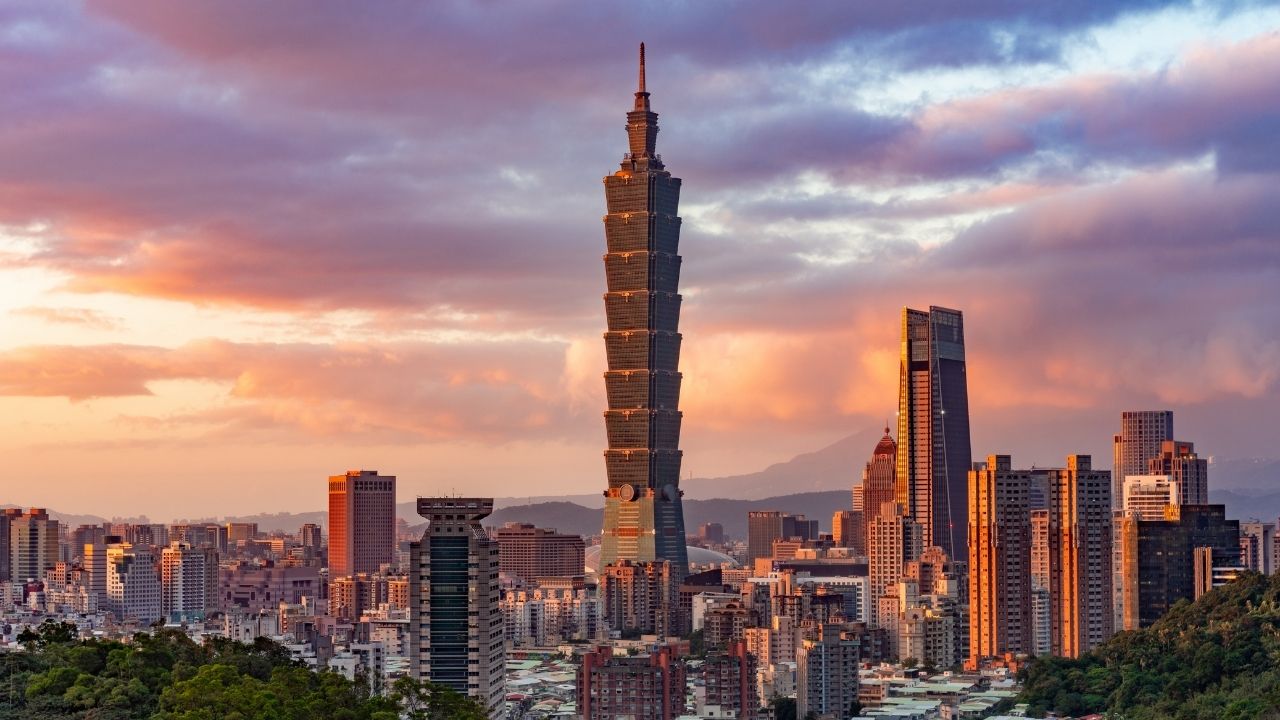
Apart from academic and industrial visits, students experienced the culture and lifestyle of Taiwan through visits to Taipei 101, one of the world’s most famous skyscrapers, and Raohe Street Night Market, where they explored local food, culture, and community life. The trip also included a visit to Kaohsiung City, providing students with broader perspectives on urban development, transportation systems, and modern Taiwanese society.

Overall, the study trip enhanced students’ international exposure, technical knowledge, communication skills, and understanding of global engineering and technological advancements, which will be beneficial for their future academic and professional careers.

Jobs availabilities

Electrical engineers have played a major role in advancing technologies such as nationwide electrical power, hybrid cars, alternative energy sources, and monitoring and control systems. There are many career opportunities, since electrical power is the most versatile in our daily lives. Hence, electrical power engineers can work in factories, run their own businesses, or perform testing, maintenance, and management of electrical infrastructure, power plants, etc. Graduated students are eligible to become professional engineers and broaden their career opportunities.

KMITL

Established under the 1971 King Mongkut’s Institute of Technology Act, KMITL was formed through the merger of three technical institutions: Nondhaburi Institute of Telecommunications, North Bangkok Technical College, and Thonburi Technical College. In the same year, the Nondhaburi Institute of Telecommunications was relocated to Ladkrabang, Bangkok, and renamed the “Chao Khun Taharn Ladkrabang Campus.” In 1972, it became the Faculty of Engineering. Also in 1972, the College of Design and Construction at Bangplad was incorporated into KMITL as the Faculty of Architecture.

>> The EE international program is running under SIIE by Department of Electrical Engineering. <<

Welcome message from the program committees

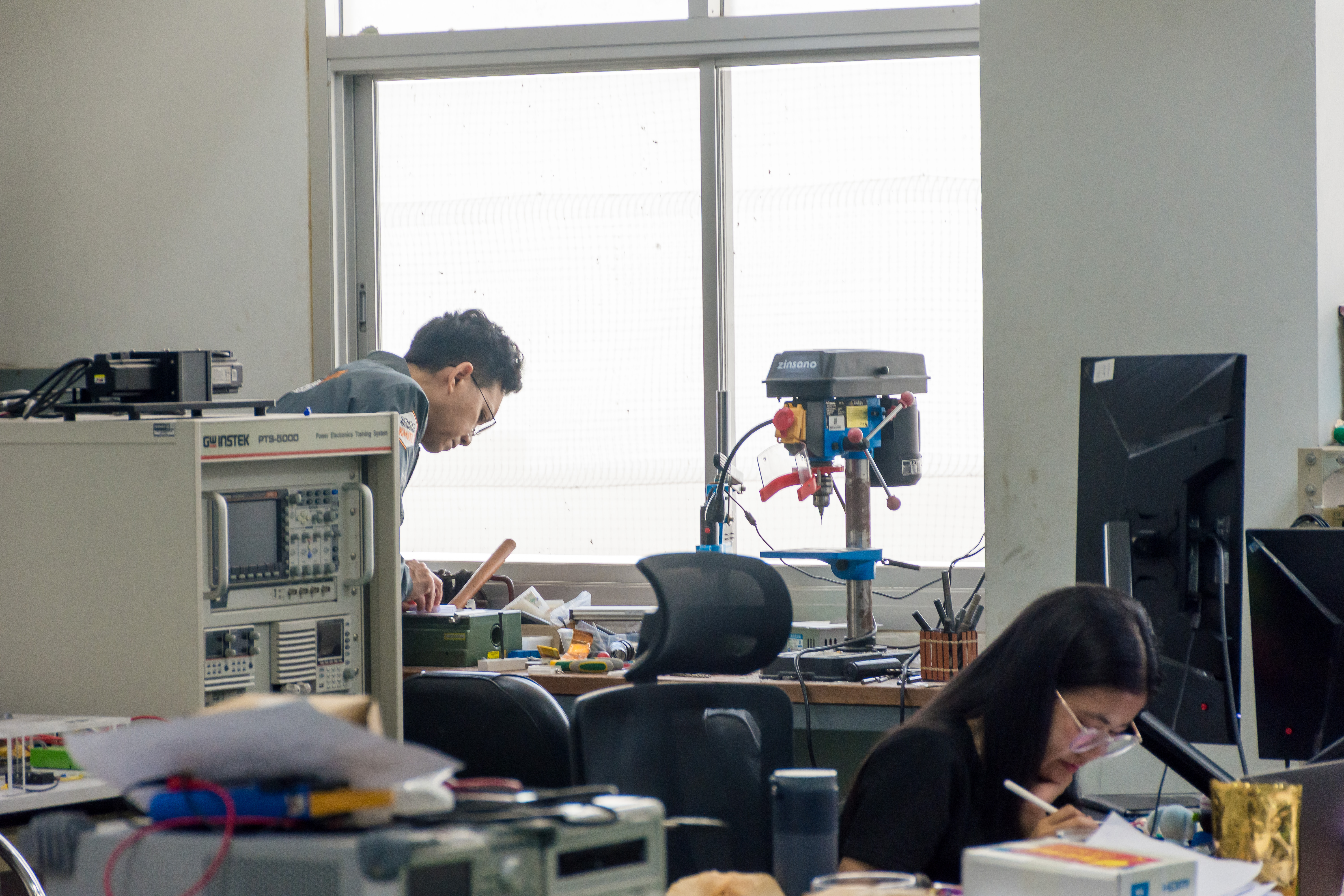
Electrical Engineering (EE) focuses on electrical power generation, transmission, distribution, and energy conversion. Our laboratories and facilities are fully equipped to provide students with hands-on experience and professional skills throughout the four-year program. The curriculum is designed to prepare students for future technologies, including green energy and electrification technologies. Graduates are eligible to obtain a professional engineering license from the Council of Engineers (COE).

The Faculty of Engineering also offers scholarships each year for qualified students. In the near future, students will have opportunities to study abroad through collaborative programs with leading international universities, including the University of Strathclyde in the United Kingdom. Qualified students may transfer and spend their final two years abroad, with the opportunity to earn dual degrees.

We wish you every success in pursuing your dreams and taking the next step in your future. If you are interested in this program, our faculty members and staff will be pleased to provide further information and assistance.

Contact us

Wish to enquire about admissions, the curriculum, or anything else? Feel free to visit us during office hours, give us a call, or contact us anytime via email or LINE.

Electrical Engineering International Program

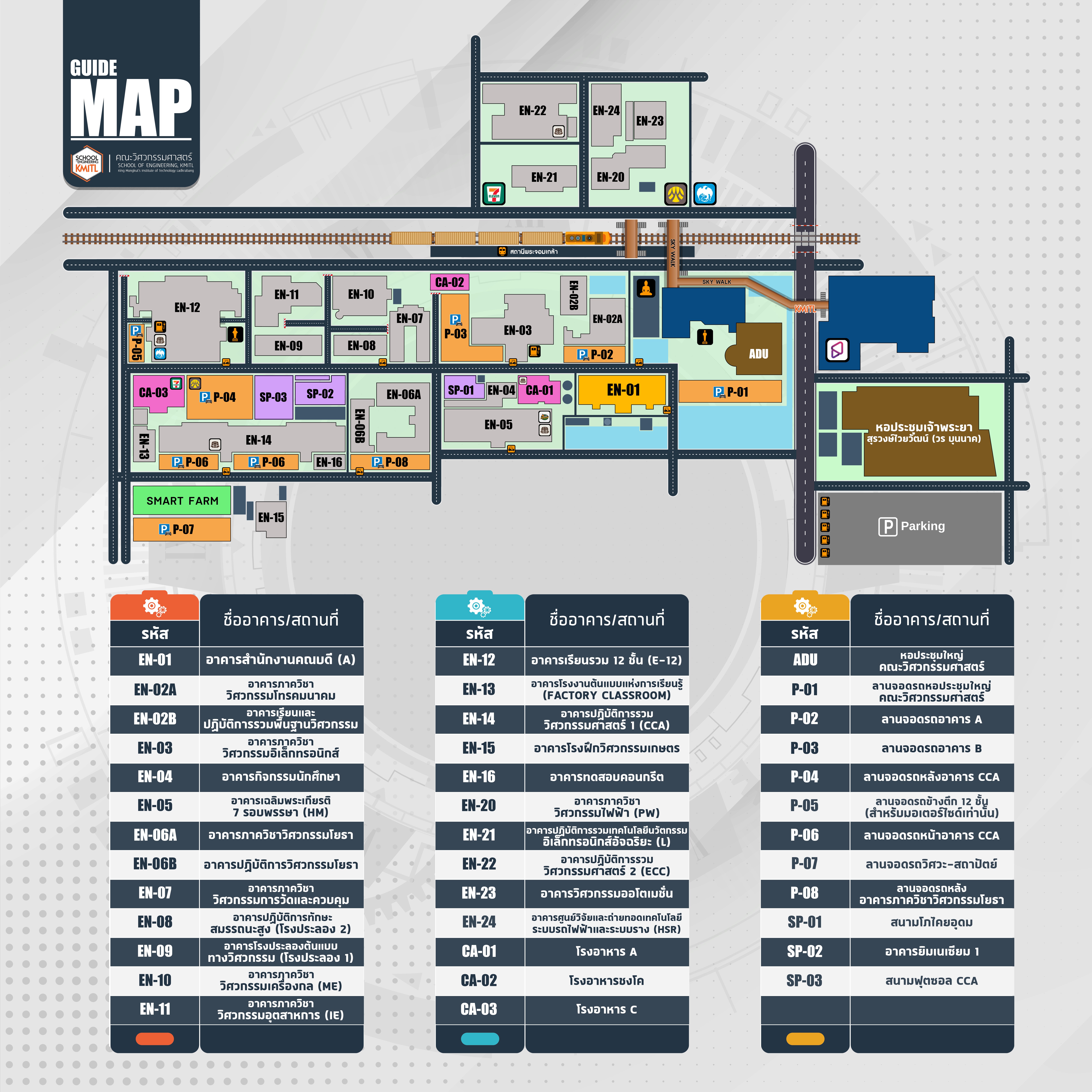
Address: HM Building, Faculty of Engineering,

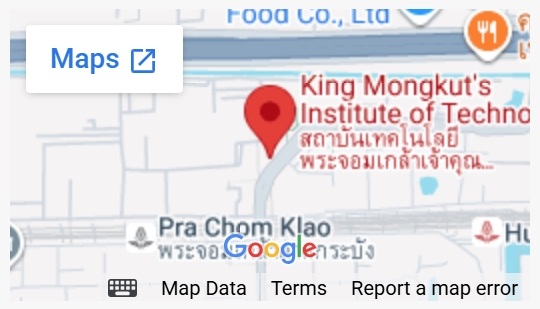
King Mongkut’s Institute of Technology Ladkrabang .

No.1, Soi Chalong Krung 1, Ladkrabang district, Bangkok, 10520

Tel: (+66)2329-8000 Ex 5045

E-mail: theerayod.wi@kmtil.ac.th

Facebook:  Electrical Engineering International Program KMITL

Line: @siie_kmitl

Contact us

Electrical Engineering International Program

Address: HM Building, Faculty of Engineering,

King Mongkut’s Institute of Technology Ladkrabang .

No.1, Soi Chalong Krung 1, Ladkrabang district, Bangkok, 10520

Tel: (+66)2329-8000 Ex 5045

E-mail: theerayod.wi@kmtil.ac.th

Facebook:  Electrical Engineering International Program KMITL

Line: @siie_kmitl