High Voltage
Engineering Laboratory (HVEL)
“ We specialize in high-voltage testing, insulation diagnostics, partial discharge detection,
and overvoltage analysis.
The laboratory develops in-house high-voltage generation and measurement systems for testing under severe operating conditions. ”
What the laboratory does
The High Voltage Engineering Laboratory (HVEL) of the Department of Electrical Engineering specialises in high-voltage testing, insulation performance evaluation, diagnostic techniques, and the testing of electrical equipment under extreme operating conditions.
The laboratory builds the instruments it tests with — impulse generators and transient recorders, resonant AC sources, high-voltage dividers, current sensors and partial discharge calibrators — and uses them to develop measurement and diagnostic methods that turn a recorded waveform into an engineering judgement about a piece of equipment. Work spans impulse and resonant AC testing, partial discharge detection and location finding, dielectric response assessment of transformers and cables, and the computation and mitigation of lightning and switching transients.
Results appear in IEEE Transactions on Power Delivery, Electromagnetic Compatibility and Industry Applications, and are presented at the International Conference on Lightning Protection and other international meetings in the field.
What we are working on
HV Generation and Measurement
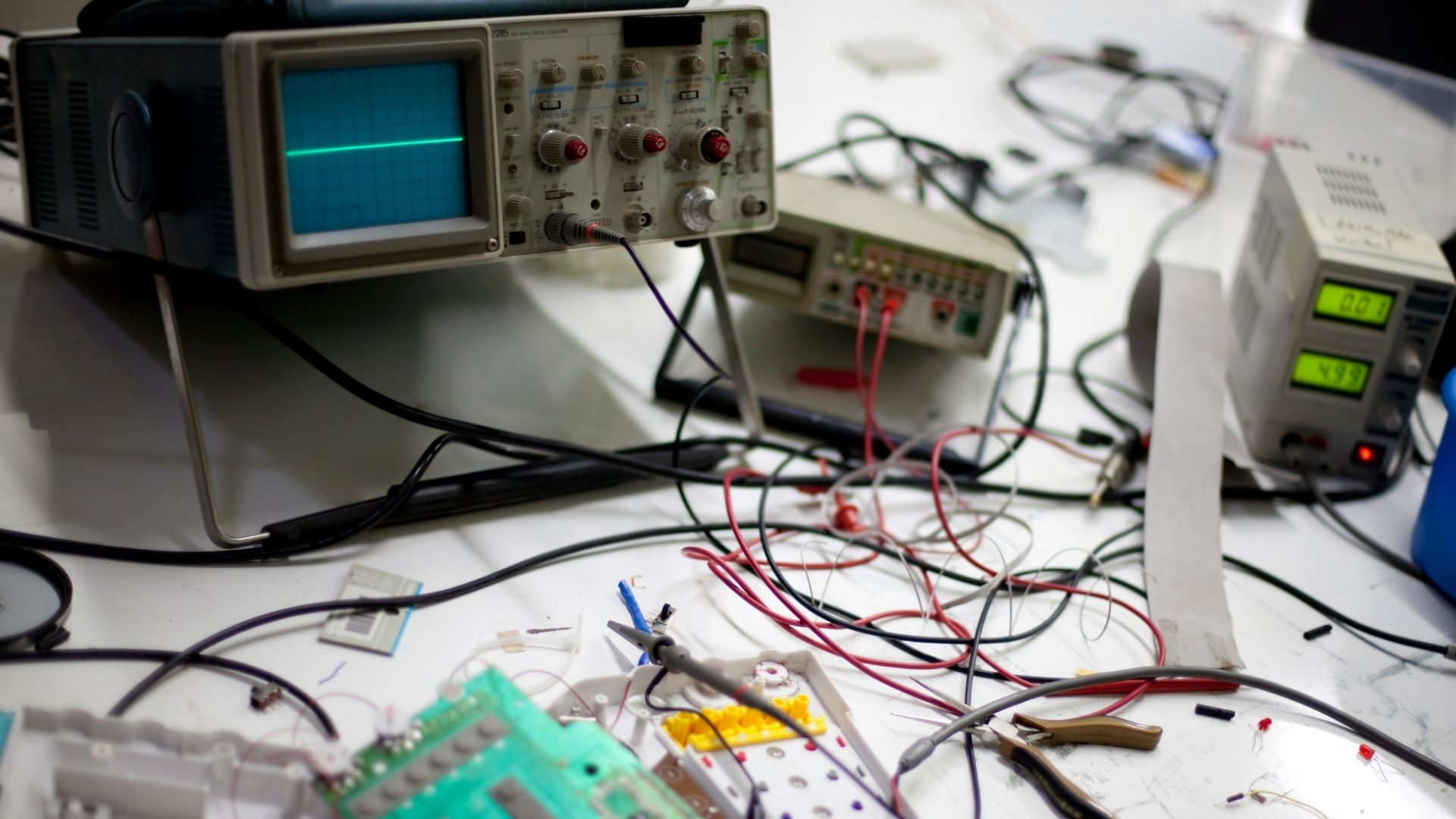
Impulse and resonant AC sources, measuring systems, and evaluation of test parameters.
Current work
• Design and circuit analysis of lightning and switching impulse voltage generators, including tests on low-inductance loads such as reactor and transformer windings
• Development of transient recorders and wide-bandwidth measuring systems for lightning impulse voltage and current
• High-voltage AC generation and measurement using series resonant circuits and resonant power-frequency converters
• High-voltage dividers and current sensors, including saline-solution resistive dividers and Rogowski coils with active integrators
• Evaluation of impulse parameters by fast curve fitting, least-square Prony analysis and non-iterative techniques, to the IEC 60060 series
• Lightning current measuring systems for wind turbines
Partial Discharge Diagnostics
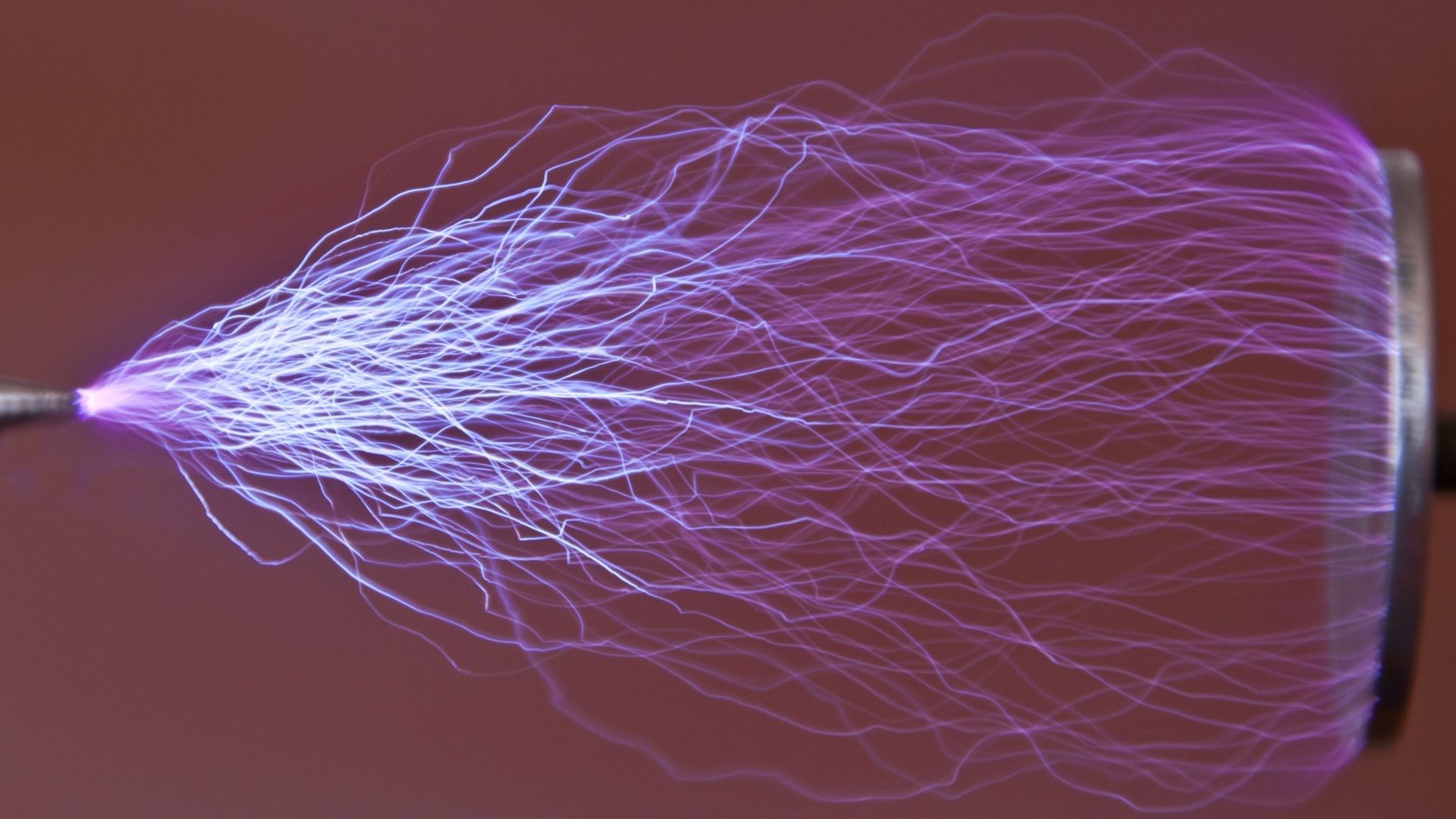
Conventional and unconventional PD sensing, sensor development and location finding.
Current work
• Conventional PD measurement to IEC 60270, together with unconventional HF and VHF/UHF detection
• Development of PD sensors: high-frequency current transformers and transducers, inductive-mode air-core sensors, and narrowband and wideband UHF antennas for high-voltage equipment
• PD pulse generation, monitoring and system characterization for calibration and performance verification
• PD localization in power cables, including joints and terminations, using high-frequency current transducers
• PD measurement on equipment supplied through power-frequency converters
• Effects of test voltage frequency on partial discharge characteristics
Dielectric Response Assessment

Condition assessment of transformers and cables from measured polarization behaviour.
Current work
• Polarization and depolarization current measurement, and dielectric response sensing of oil-paper insulation
• Assessment of moisture content and degree of polymerization in power transformers from measured dielectric response
• Determination of dielectric loss and loss tangent in damped alternating voltage (DAC) tests
• Dielectric equivalent-circuit modelling from depolarization current analysis, and determination of dielectric models by effective multi-exponential fitting
• Application of the resulting models to condition assessment of transformers and underground cable systems
Lightning and Transients

Surge arresters, protective devices, grounding design and transient computation.
Current work
• Metal-oxide surge arrester characterization and mathematical modelling of non-linear resistance for lightning surge analysis
• Design of two-stage surge protective devices for low-voltage AC systems
• Counterpoise and grounding electrode design for transmission towers in high-soil-resistivity areas, and transient equivalent circuits of grounding electrodes
• Lightning-induced voltage over lossy ground, transient potential rise in grounding systems and corona effects on overhead wires
• Numerical methods for electromagnetic transients: partial element equivalent circuits and numerical inverse Fourier transform
• Neutral grounding resistor application in high-voltage photovoltaic substations